Methodology of strategic planning of local development

A guide for local government units

In the system of the PRL (Polish People’s Republic), development planning at the local level was not practiced. At that time, a hierarchical, centralized system of state administration was in force, functioning in accordance with the guidelines of the Polish United Workers’ Party (PZPR). It was only in 1990, with the establishment of independent self-governing communes and regions, that the possibility of autonomous decision-making on local matters appeared at the local level. Equipped with legal personality and their own money, local governments could decide on their own how to meet the needs of their communities and plan the directions of their development. After decades of party-bureaucratic dictatorship, local communities could enjoy freedom, but at the same time they had to learn how to use it.

The first acts establishing local government units did not provide for the possibility of long-term planning and programming of activities in the public sphere. Such regulations appeared only in the mid-90s of the twentieth century, in the Act of July 7, 1994 on spatial development. This act imposed on the communes the obligation to prepare a study of the conditions and directions of spatial development, which is essentially a strategy for the spatial development of the commune. The act of 26 November 1998 on the finances of communes enabled long-term programming and financing of public investments (WPI), which are the main tool for stimulating social and economic development. New legal regulations, in turn, created the need for a professional approach to planning and instrumentalizing development processes.

The task of developing a professional methodology for local development planning for municipalities was undertaken by the Municipal Development Agency in Warsaw, launching the Municipal Development and Capacity Building program in cooperation with American specialists. The aim of this program was to equip Polish local governments with a set of complementary management tools, enabling rational long-term planning and implementation of established plans. The main modules of this program covered the issues of strategic planning of local development, management of municipal finances and long-term programming of public investments.

My participation in the Municipal Development and Capacity Building program was to develop a methodology for strategic development planning and carry out its pilot implementation in Zgierz. The tools developed under this program have become a model for the use of modern management methods in many Polish communes. The methodology of strategic local development planning soon became the national standard. She was presented by at the InvestCity fair (1997, 1998), EuroCity (1998), at the Eastern Wall Congress (1998), as part of the Partnership Program for Local Government (LGPP, 1998) and at the International Citi/County Management Association Conference in Bucharest (1999). One of its basic goals was to draw special attention to the fundamental role of the private economic sector, driving development in all spheres of public and private life.

Challenges

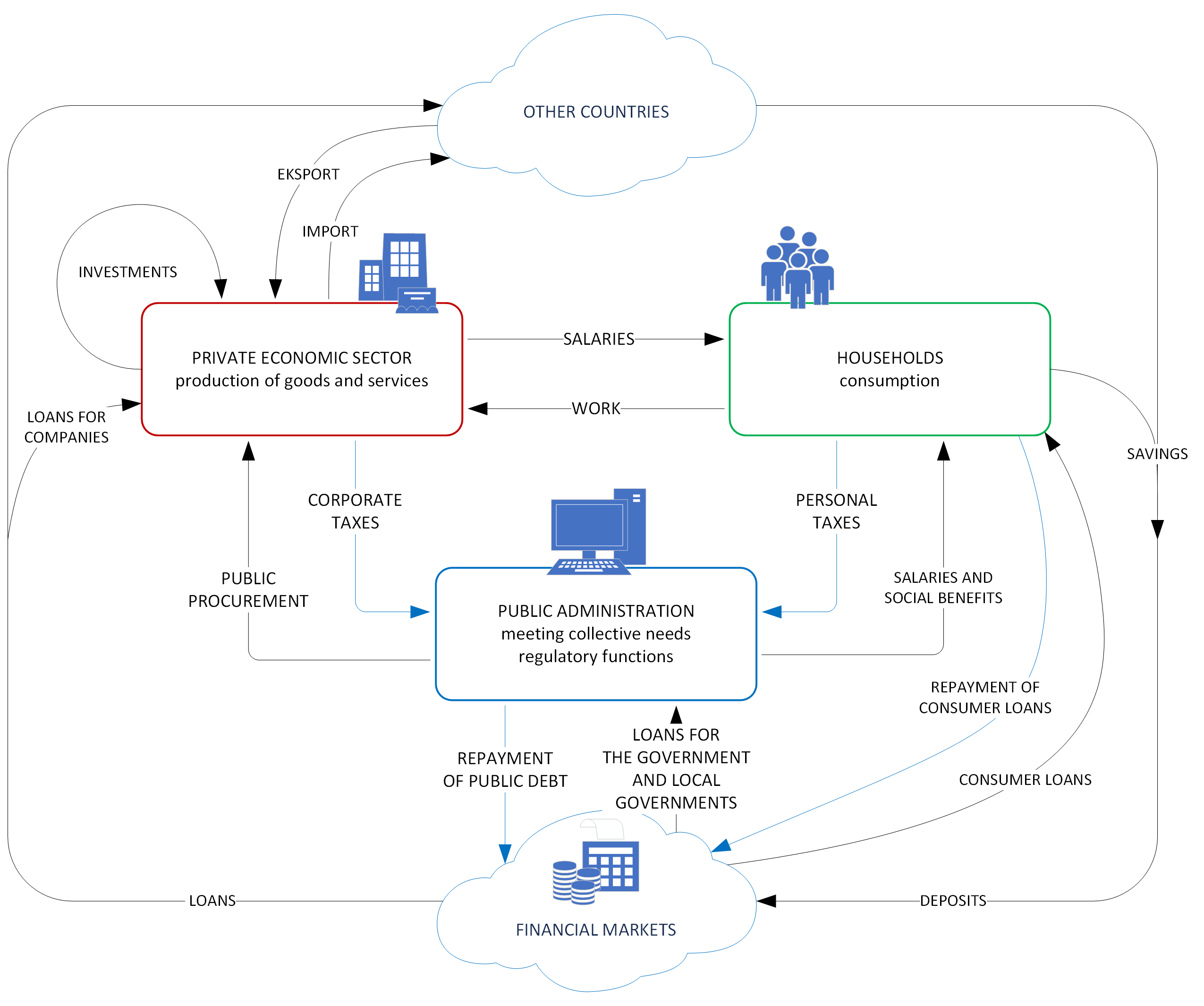
The aim of developing a methodology for strategic planning of local development was not only to provide procedural and technical tools to carry out such a process, but above all to make local decision-makers aware of cause and effect relationships leading to an increase or decrease in the quality of life of the local community. A lot of effort was required to overcome mental barriers and to convince that all authoritative and administrative actions in the commune should be subordinated to creating the best possible conditions for the development of private enterprise. The condition of the local economy determines demographic trends and the quality of life of local government communities.

The period of the so-called of real socialism left poverty behind. One of the most important tasks in the first years after the political transformation was to revive the economy, offering jobs, as well as sources of income and financial support for the state budget and budgets of municipalities. State-owned enterprises fell into trouble, while the private economic sector became more and more important. Concern for creating the best possible conditions for the development of local entrepreneurship has become one of the most important tasks of local government authorities.

Money circulation in the macroeconomic structure of the state

The essence of strategic planning of local development

We can talk about the development of a local community when its size and quality of life, measured by the degree to which individual and collective needs are met, increases. Municipalities where jobs, housing, schools, cultural centers and sports and recreation centers are available retain their residents and attract new ones. Friendly, functional and aesthetic living spaces are created where local government authorities are aware of their service role towards the society, and replace governance with prudent management of commune resources, based on appropriate knowledge and skills, and above all – moral qualifications.

The essence of stimulating local development is the use of available resources (financial, material, organizational and human) in such a way as to eliminate weaknesses, strengthen strengths, reduce threats and take advantage of opportunities emerging in the commune and its surroundings. This requires conscious and well-targeted decision-making at all levels of commune management: strategic, tactical and operational. It is also necessary to clearly separate the resources necessary to maintain the current activities of the office and municipal services from the resources that can be allocated to the implementation of strategic economic programs.

There are always fewer resources than needs to be met. All the more so the use of resources should be carefully thought out and planned. Technical competences can be bought by employing appropriate specialists (managers of municipal services), while the experience, morale and charisma of the leaders of the local government community cannot be purchased and cannot be overestimated. The strategic management of a city is methodologically similar to the management of other organizations. What differs, however, is the transparency of decisions and actions taken. The local development strategy cannot be a secret to the public and, what is more, it should enjoy its wide public support.

In order for the economic development plan to succeed, a variety of strategic actions must be taken to strengthen strengths, counteract weaknesses, build on opportunities and neutralize threats. The success of these activities depends on the availability of local resources, which can be classified into three basic categories:money, quality management and community support.

Don Morrison

Each enterprise operates in a specific macroeconomic and economic environment and in a specific geographical space. The macroeconomic environment of the company is primarily political factors and legal regulations that determine the ability to conduct its business. The competitive environment is the barriers to entry, access to markets and the intensity of competitive factors in a given industry.
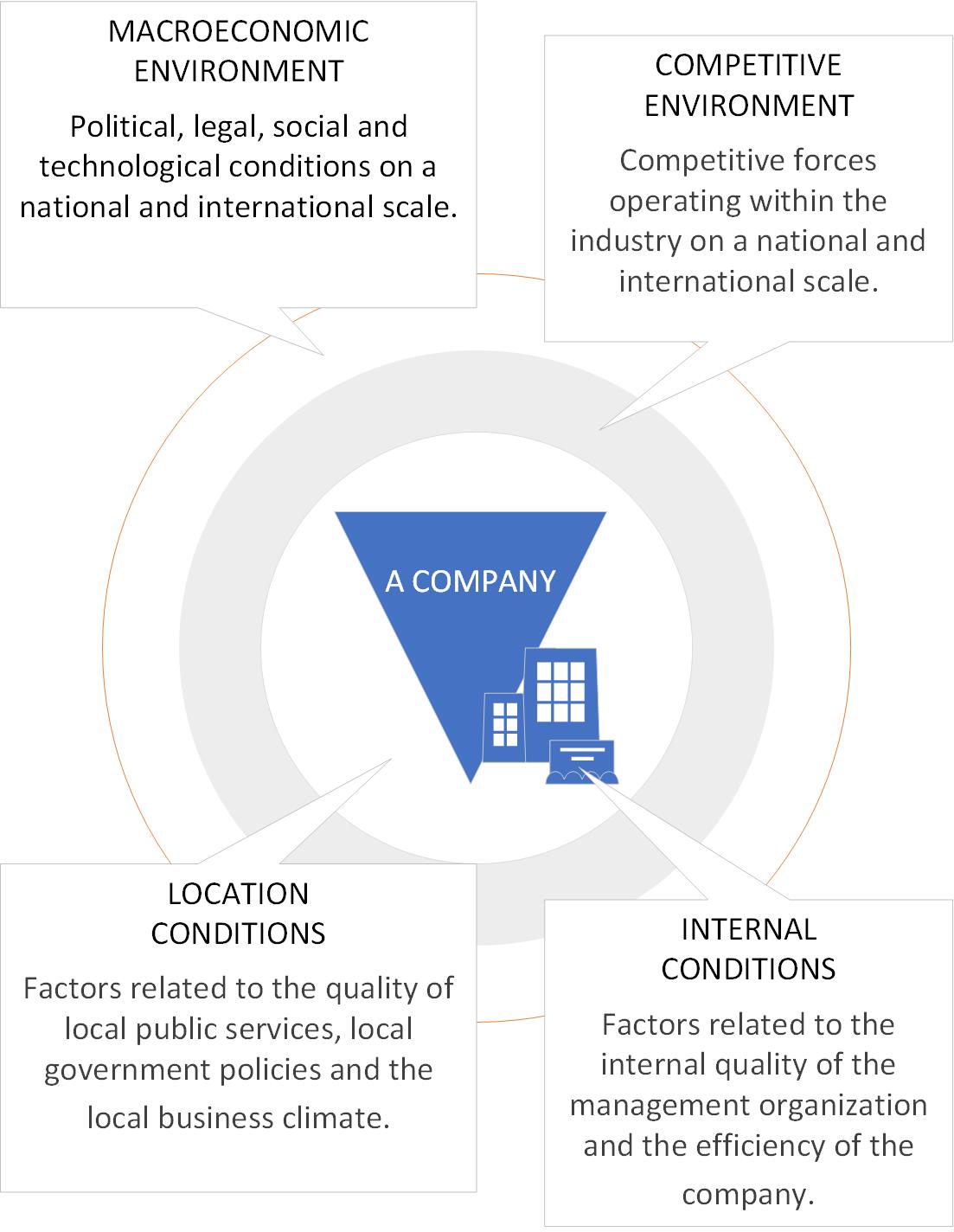
The company’s closest surrounding is shaped by factors related to its location, such as:
» land availability and prices;
» transport links and local public transport;
» state of utilities (energy, water, sewage, communication),
» local taxes and fees,
» availability of suitably qualified employees,
» availability of flats and rent rates,
» advantages of the urban environment,
» opportunities for education and recreation,
» state of public safety,
» level of education,
» ethical values,
» traditions and patterns of behavior.

Most of these factors are influenced by local government authorities. They can be shaped at the stage of creating and implementing long-term development plans, as well as in the course of making current operational decisions related to the performance of basic tasks of the commune. Of key importance in simulating the local economy is the knowledge of the needs of existing enterprises, as well as a realistic assessment of the possibility of developing economic activity in the municipality.

Money and other resources at the disposal of the local government can be used to develop technical infrastructure in industrial parks or to build a municipal aqua park. Both projects are useful, but in the long run they will have different effects on the budget of the commune and its inhabitants. The ability to make the right decisions at the right time and to anticipate their effects in a long-term perspective are the most important features of responsible, strategic management of a commune. Errors made at this decision-making level are difficult or impossible to correct. 

There are three basic levels in the management process: strategic, tactical and operational. The strategic level is setting the main goals, the tactics is the programming of activities, and the operational level is the implementation of planned activities. The term “strategic management” is a broader concept than “strategic planning”. It refers to decisions and actions taken at all levels of management related to achieving the strategic goals of the organization.
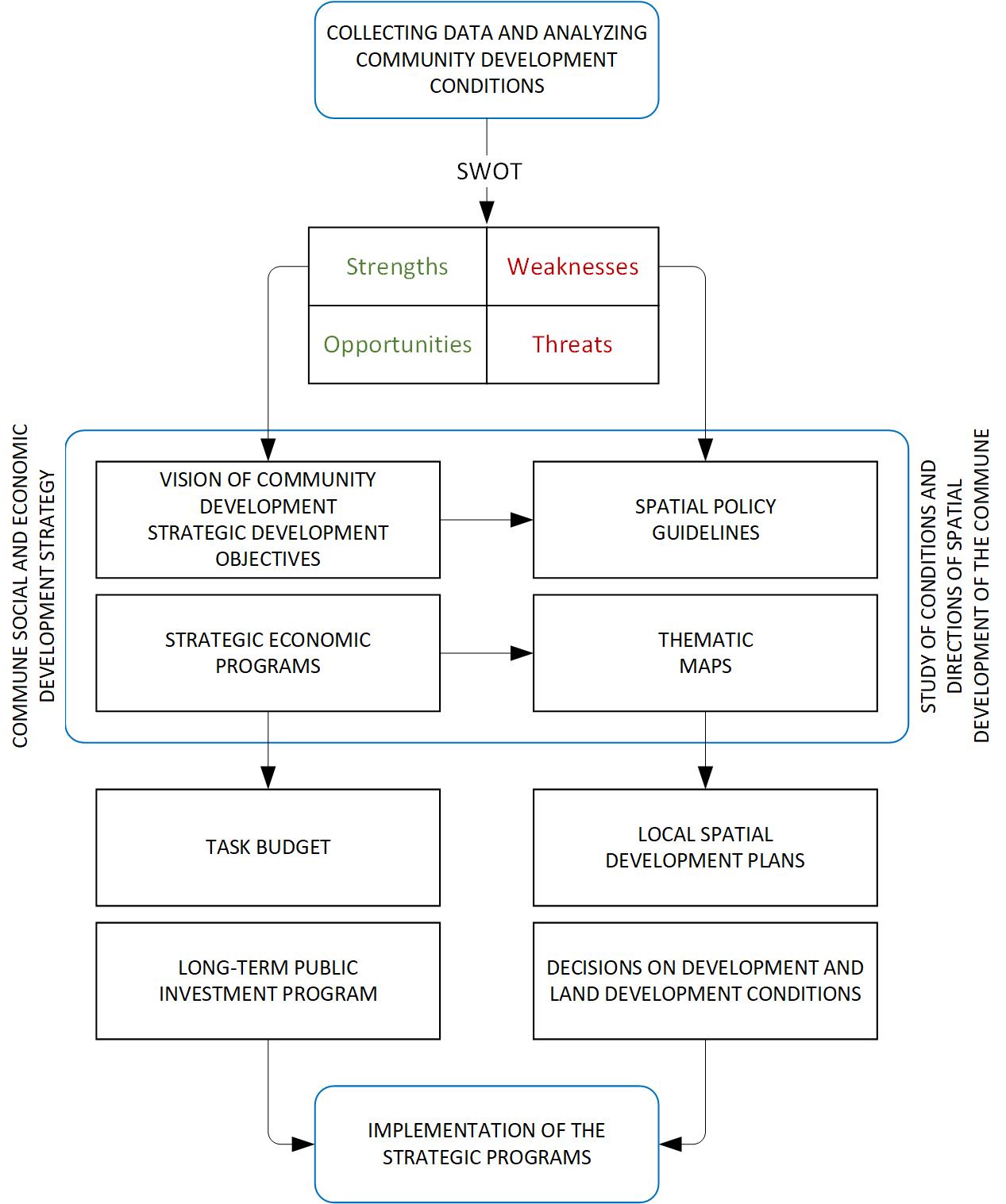
The methodology of strategic local development planning focuses on the methods of making decisions at the highest organizational level of the commune, appropriate for commune councils and its executive bodies (commune heads, mayors, presidents). It describes the procedure related to setting strategic goals for social and economic development in connection with local spatial planning.

The first stage of this process is collecting (updating) information about the condition of the commune, which serves as the basis for identifying its strengths and weaknesses as well as threats and opportunities for development. The results of the analyzes are the input data for the stage of formulating the social and economic development strategy and the appropriate shaping of the commune’s spatial policy guidelines. After determining the main strategic objectives, the stage of programming the established strategy follows in the form of a list of undertakings (projects), the implementation of which will allow the achievement of strategic goals.

At the next stages of work, strategic action plans are analyzed in terms of their feasibility. Most of the strategic economic programs are investment projects, the implementation of which requires securing financing and obtaining appropriate administrative decisions (development conditions, building permits). Programming of operational activities (project planning) takes the form of performance-based budgeting and long-term public investment programmes. On the spatial development side, it is necessary to draw up local plans enabling the desired investment activity to be carried out.

Strategic planning of the development of a commune makes sense only when its leaders strive to achieve the set goals. The strategy should be a practical tool for commune management, not a propaganda elaboration. It should be a “business plan” for the municipality, which determines the proper use of its resources.
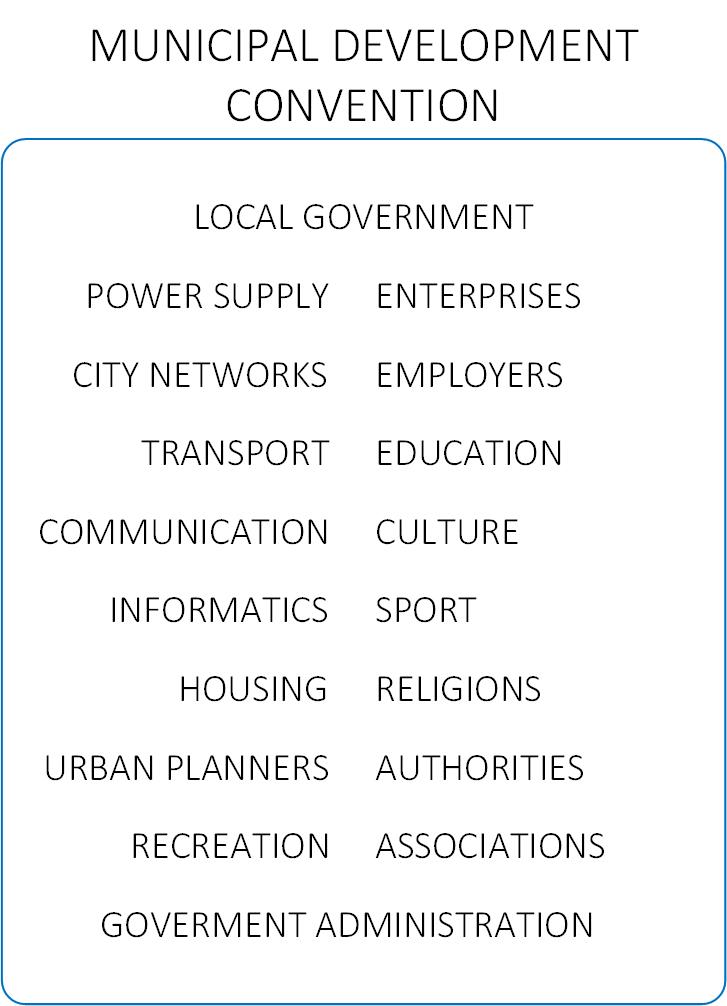
The methodology described here provides for extensive involvement of communal communities in the process of building, monitoring and updating long-term development plans. This involvement takes the form of the Commune Development Convention, i.e. an informal advisory group composed of representatives of social and economic organizations related to the life of the commune, as well as people distinguished by authority, knowledge or social position.

The purpose of establishing the Commune Development Convention is to use the extensive knowledge of the people invited to cooperate and to obtain an objective assessment of the conditions for the development of the commune. It is also intended to build a good climate around the activities of local authorities and to gain support for their actions. Expert strategies created without the participation of the local community are much less likely to be implemented.

The formula of long-term development planning with the participation of the inhabitants of the commune has proven successful in many countries. Developing strategies on the basis of transparency and social partnership causes that the developed plans become social co-ownership, subject to careful social control, and also minimize political pressure and manipulation. Apoliticality and good will to cooperate in the public interest should guide all efforts undertaken in the creation and implementation of long-term development plans.
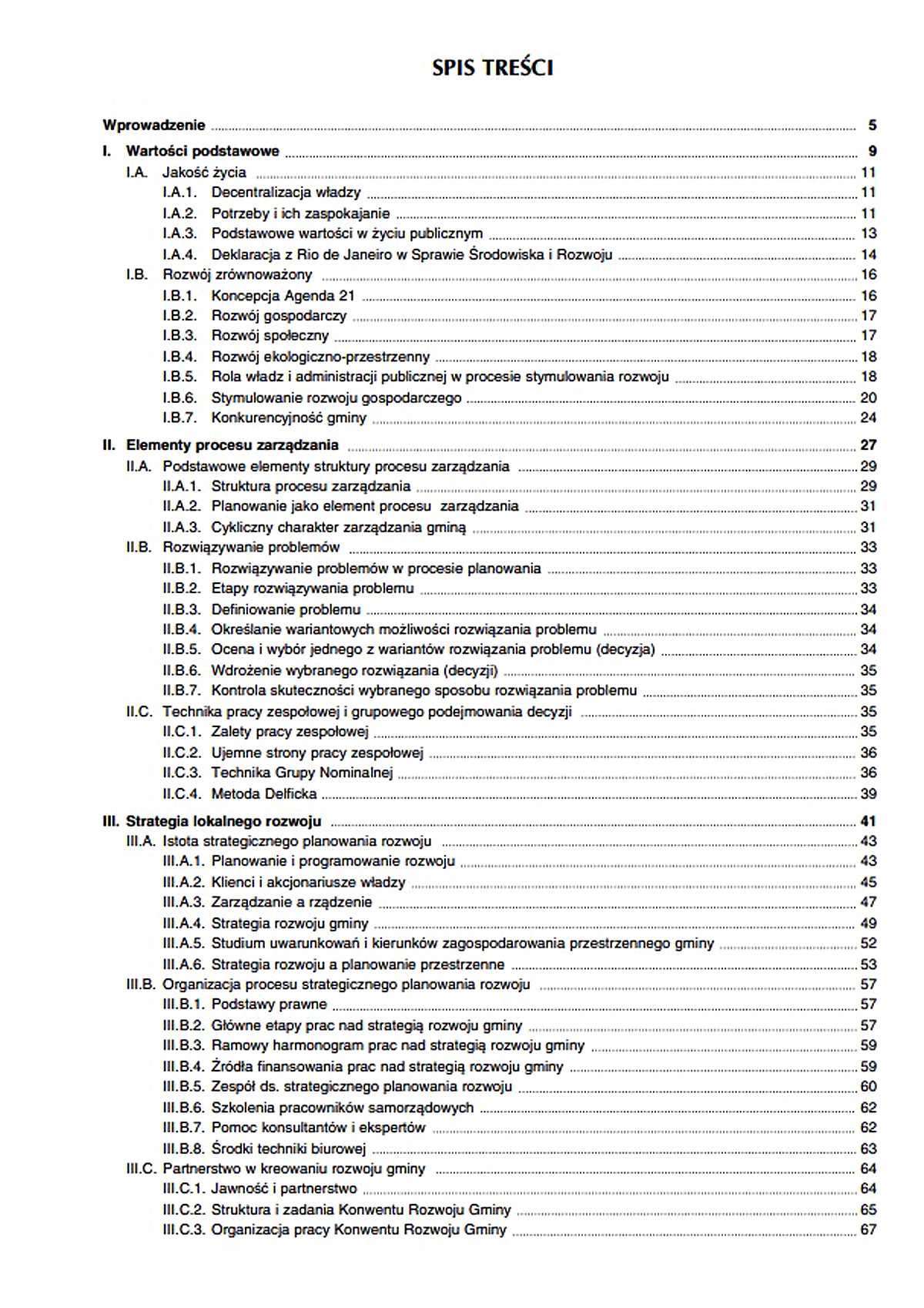
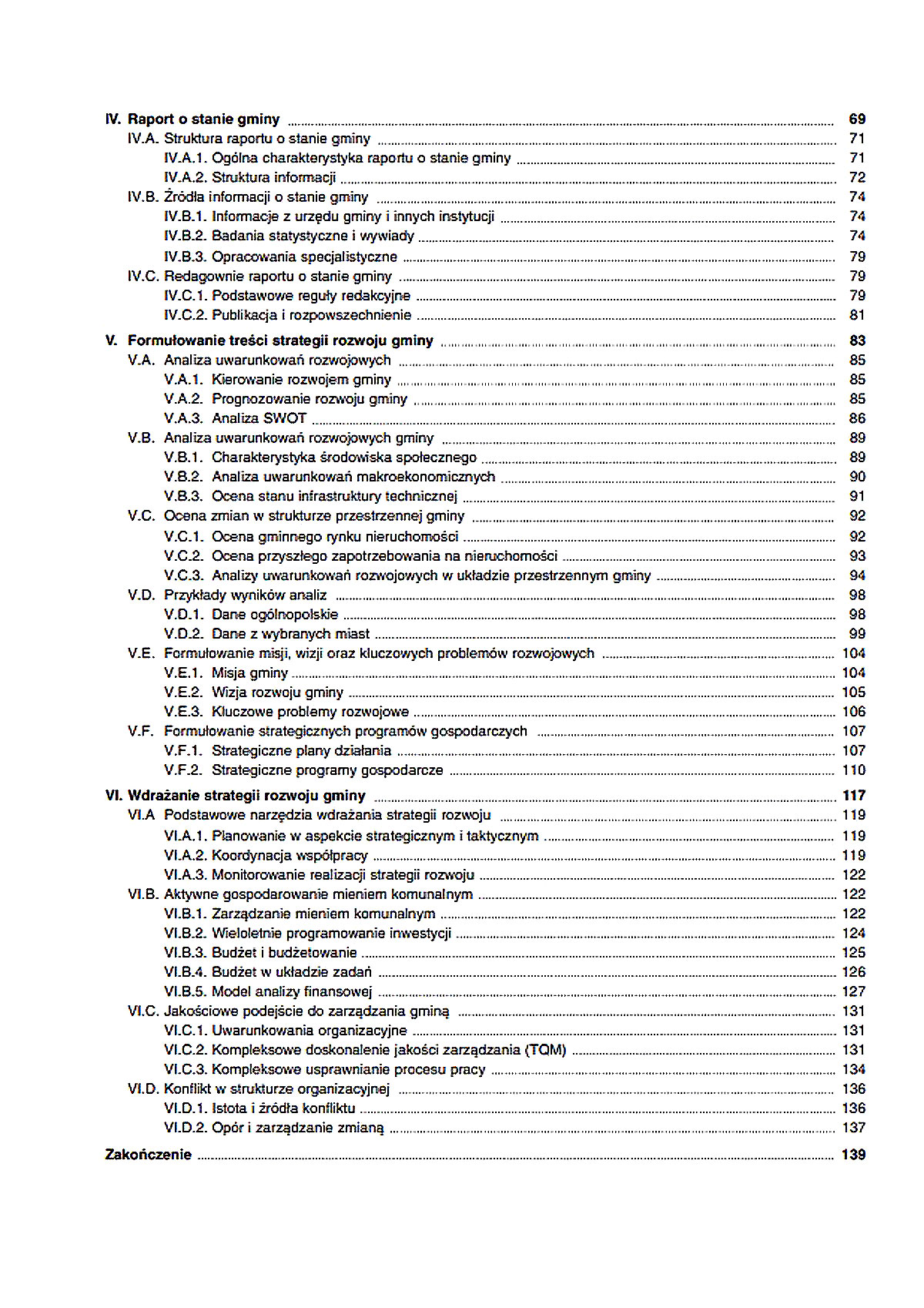
“Strategic planning of local economic development” – table of content of the manual for municipalities