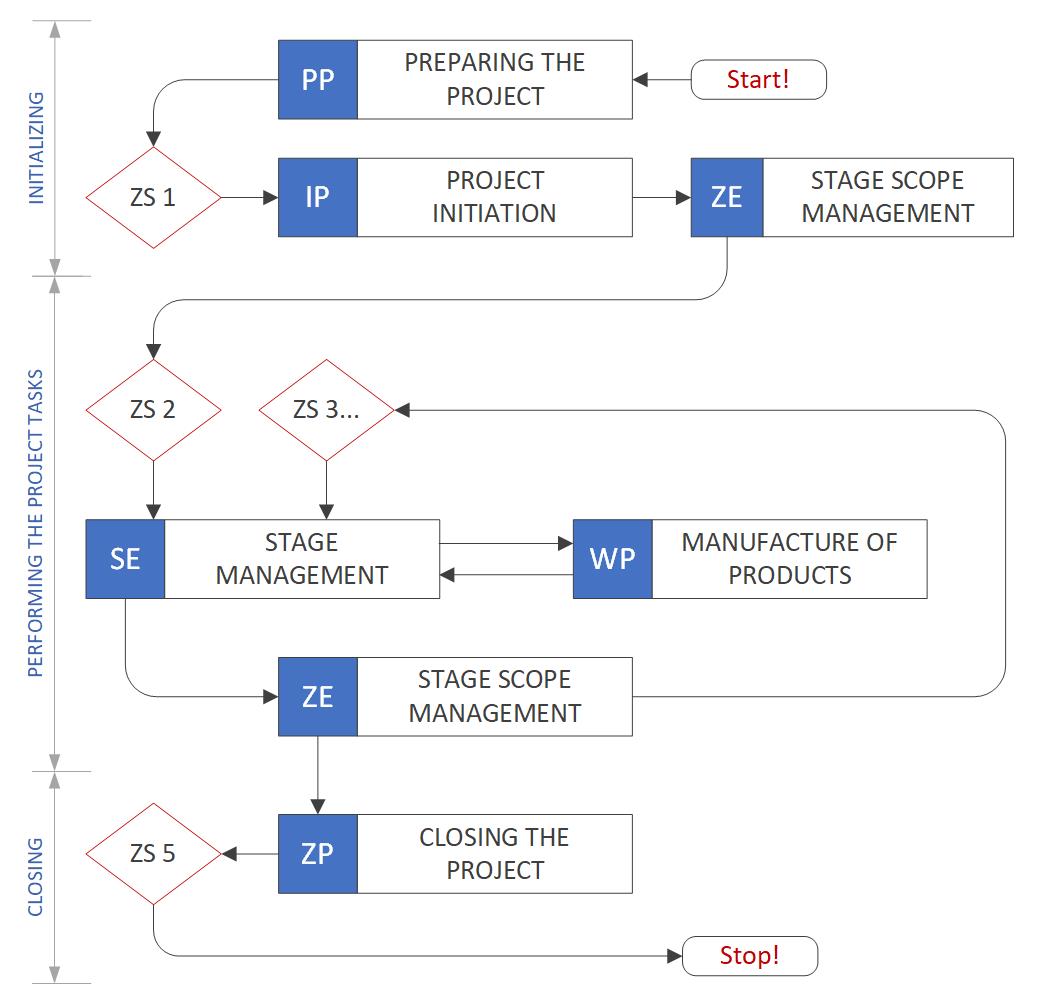
All organizations are involved in projects and each has a shorter or longer list of costly failures in their implementation. There can be many reasons for this, but the most common one is the lack of experience on the part of the people assigned to the role of project manager. A common mistake is to entrust this function to specialists in a given field, who, however, do not have the appropriate skills or predisposition to coordinate complex projects. Project management is a separate field of knowledge and art.

The services described below consist in the provision of ongoing consulting assistance in the course of project implementation or entrusting the obligation to coordinate the project (in whole or in part) to an external consultant. Consultation support can be implemented basically in three forms:

  • instructional training for project teams,
  • methodical consulting in the course of project implementation,
  • full or partial outsourcing of project management functions.

The services offered are addressed to enterprises, governmental entities, local government units and non-profit organizations. The main benefit to organizations deciding to undertake the offered cooperation is the reduction of the risk of project failure and losses on this account.

Projects in business and public administration

Objectives of cooperation

Providing professional support in planning and running projects sponsored at the board or top management level. Provision of consulting and training assistance as well as project management outsourcing, including: formulating project assumptions, project planning, organizing a project team, project management, risk management, coordinating interdisciplinary issues, legal aspects and cooperation with regulatory authorities, and reporting.

Types of projects

Technological projects

  • Developing electronic services in the ICT sector
  • Implementation of ERP, CRM and GIS systems
  • Implementation of data warehouse and analytical applications
  • Designing and developing websites
  • Developing eCommerce systems
  • Developing eAdministration solutions
  • Developing municipal ICT systems

Strategic management

  • Strategic planning in business and public administration
  • Identifying and systematizing operational measures
  • Mapping strategies and developing balanced scorecards
  • Implementation of management by objectives systems
  • Implementation of performance budgeting systems
  • Developing systems for long-term investment planning
  • Moderating workshop sessions for management
  • Implementation of Competitive Intelligence solutions 

Organization of management

  • Optimizing business processes and operating procedures
  • Modeling and optimization of organizational solutions
  • Conducting internal organizational audits
  • Planning and management of organizational change
  • Organizing a project management office
  • Organizing a strategy office

Special projects

  • Strategic projects sponsored at the management board level
  • Preparation of tender offers
  • Projects requiring interdisciplinary coordination
  • Representing the company before regulatory authorities
  • Creating and editing internal normative acts
  • Formulating and negotiating multilateral agreements
  • Developing business plans for new ventures
  • Organizing commercial law companies
  • Organizing associations and foundations
  • Graphic design and multimedia productions
  • Copywriting

Value for a customer

The whole, interdisciplinary approach to the projects
Efficient organization of the project procedures
Feasibility and business case analyzes
Proper identification and organization of the project resources
Optimal project budgeting of the project
Efficient and timely implementation of the project tasks
Fulfilled quality assumptions in the project
Efficient risk management in the project
Proper documenting of the project activities
Proper reporting within the project
Reliability and responsibility

One of the main tasks of a project manager is to manage the project team and motivate them to do whatever is needed on the project. The process and methodologies alone are not enough to achieve this.
The project manager primarily manages the people.

Richard Newton

Cooperation in projects

The necessity to provide professional support in projects results from the need of protecting the organization against errors resulting in losses or complete failure in the implementation of the intended project. Project management is an independent field of knowledge and art, including a set of methods and skills proven in practice. The participation of high-class experts in specializations related to the project is necessary, but a common mistake is entrusting them with the responsibility for organizing and coordinating projects. Very often, they do not have the appropriate professional knowledge, skills and predispositions to do so. Project management should be entrusted to professional project managers.

The scope and forms of support in projects

Project management training  Practical introduction of project sponsors and project teams to the issues of project management, in particular the principles of preparing the concept and planning a project, organizing project teams, as well as performing tasks and documenting project issues. Advisory support in project proceedings It consists in ensuring ongoing supervision over the methodological and substantive correctness of the project procedure. It is provided at the level of the project sponsor, steering committee or project manager. The goal is to ensure the smooth running of the project, obtain the required quality parameters and minimize the risks. Outsourcing of project management  It consists in entrusting the consultant with the duties of the project manager or the manager of the task force or the performance of the indicated project tasks. The transfer of responsibility may take the form of a generic power of attorney, setting out the rules for representing the client in a specific scope (e.g. in negotiations with business partners or in proceedings before regulatory authorities).

Reasons for failures in projects

All organizations have a list of costly project failures.
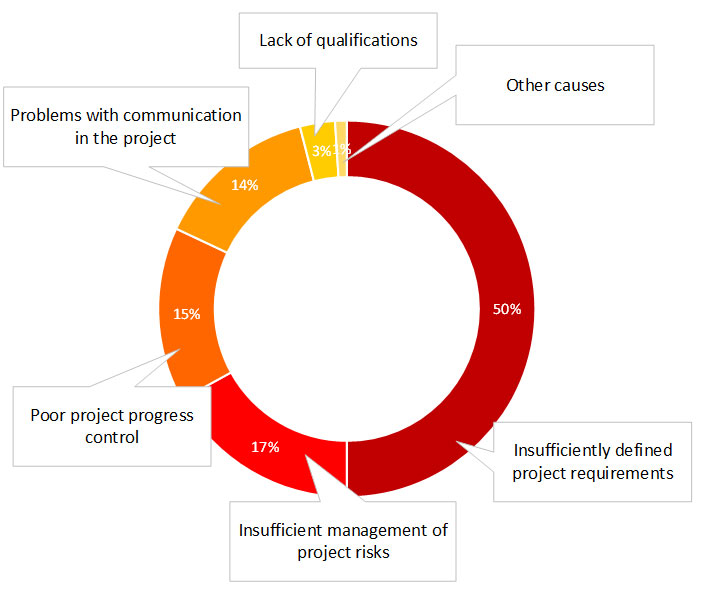
The main reason for failure in projects is insufficient clarification of expectations regarding project outputs. The lack of commitment of the project sponsor usually results in insufficient planning, weak risk management and poor ongoing supervision over the the project. 

Conditions and forms of cooperation

Establishing cooperation as part of the services offered is preceded by the stage of analyzing the client’s needs, defining goals and determining its scope. The basis for the decision to establish cooperation is the assessment of the specificity of the project and the conditions for its implementation. Cooperation, as part of consultative support in projects, includes the following stages:

  • Conclusion of a confidentiality agreement,
  • Agreeing customer needs in the field of project management and the scope of cooperation,
  • Formulating goals and tasks as well as acceptance criteria for the work performed,
  • Agreeing the conceptual assumptions of the project and the framework cooperation schedule,
  • Determining the resources necessary to implement the planned tasks,
  • Establishing the rules of communication and other detailed terms of cooperation,
  • Conclusion of a cooperation agreement,
  • Performance of agreed works,
  • Project closure and settlement,
  • Preparation of the final report and presentation materials.

The basic legal forms that may constitute the basis for establishing cooperation in projects are presented on the Cooperation page.

In implementation projects aimed at purchasing and implementing specific technical solutions, there are usually three parties: the buyer, the seller and the consultant. The role of the consultant in these types of projects can be of two types: (1) he can act as an advisor or project manager on the buyer’s side, or (2) as an advisor on the supplier’s side. Its role in both cases is to ensure effective communication between the parties and to facilitate the implementation of systems.

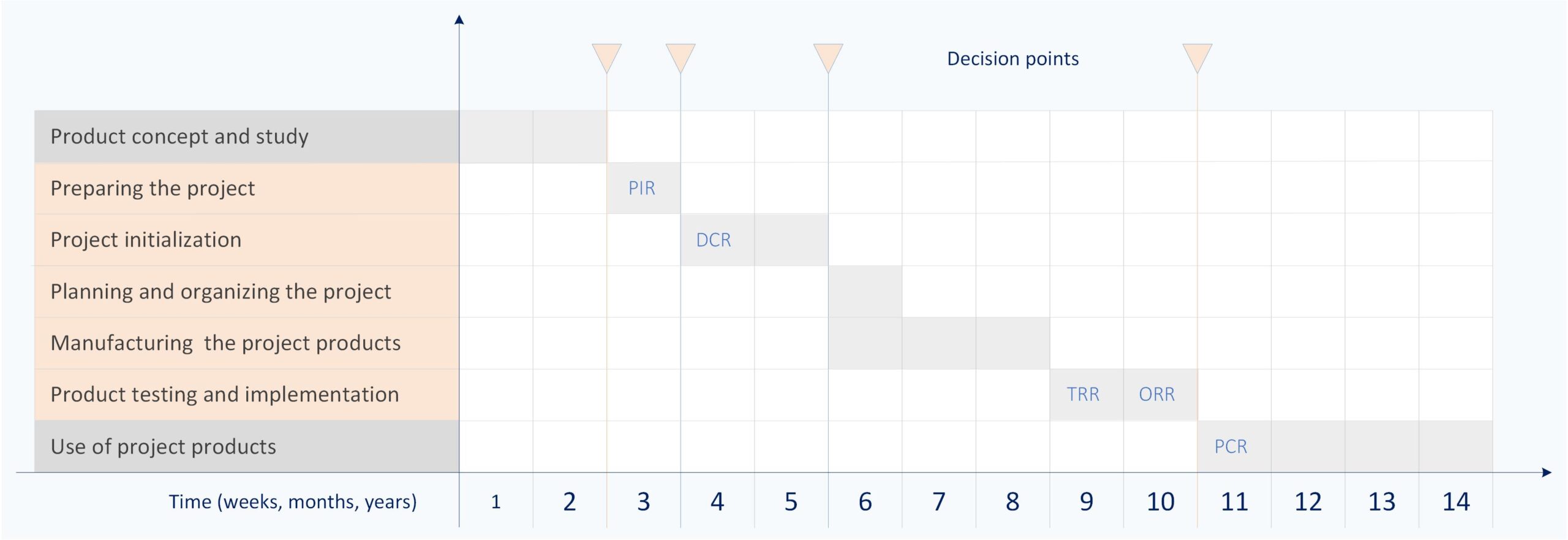
The life cycle of the project and the product from the project